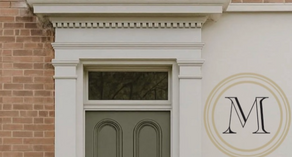
The Tubman House, a heritage-designated dwelling in Ottawa’s historic New Edinburgh neighbourhood, is a Victorian-style residence built circa 1874.
For more than a century, until 1986, it was home to the Tubman family.
Its first owner, Thomas Tubman, served as both school principal in the milling village of New Edinburgh and its first city clerk, reflecting the civic spirit that shaped Ottawa’s earliest suburb.
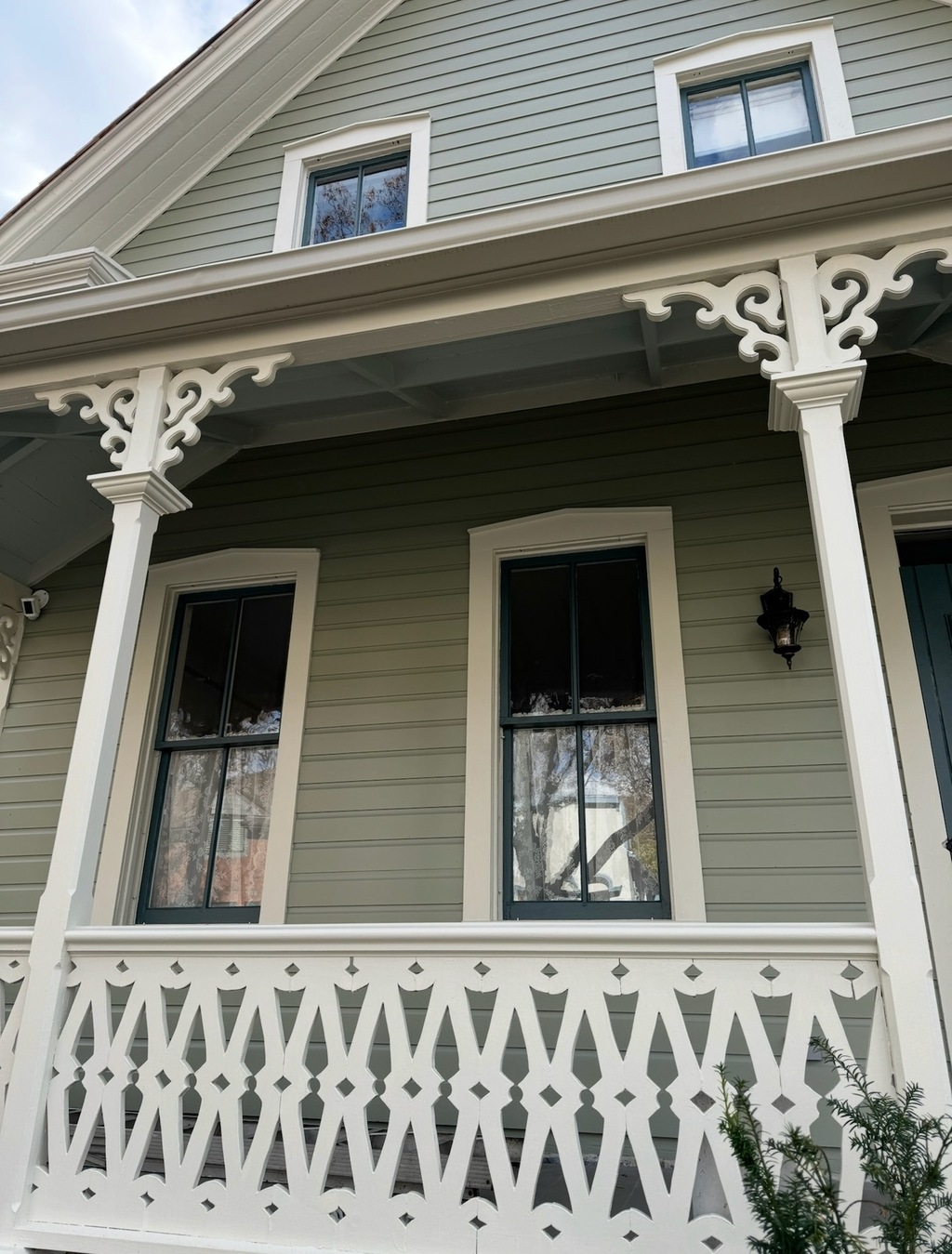
The building features decorative sawn brackets, chamfered and squared posts, and a pierced wooden balustrade with geometric motifs.
As a surviving example of New Edinburgh’s early mill-village, the house has remained largely unaltered in its original part, preserving its authentic proportions and quiet charm.
Over the later decades, the house’s historical character was compromised by insensitive repairs and deferred maintenance.
Inaccurate materials, failing exterior elements, and neglected landscapes gradually obscured the quiet beauty of the original Victorian design.
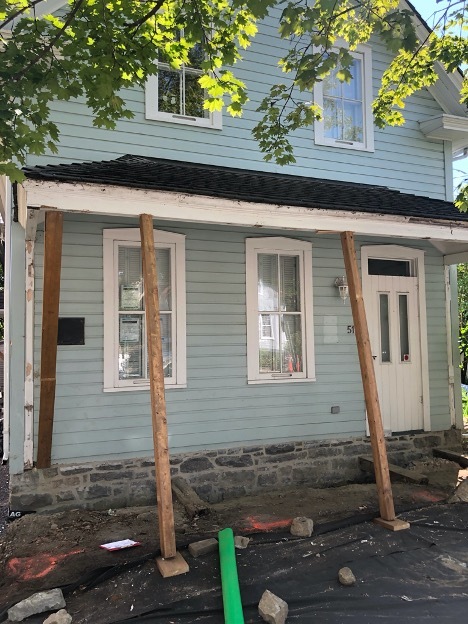
When purchased, the property appeared sound — requiring little more than new paint and refinished floors.
But as repainting began in the 1986 additions, a different reality surfaced. Water infiltration, carpenter-ant damage, and structural deterioration appeared behind finished walls; puddles formed in the dining room and upper floors.
What began as a simple update became a multi-year effort to secure the building’s integrity.
Once stabilized, attention turned to restoring the architectural details lost during the 1986 renovation. Guided by conservation specialists and heritage architects — and informed by archival plans, surviving millwork, and original materials — the owners set out to re-establish the home’s authentic design language.
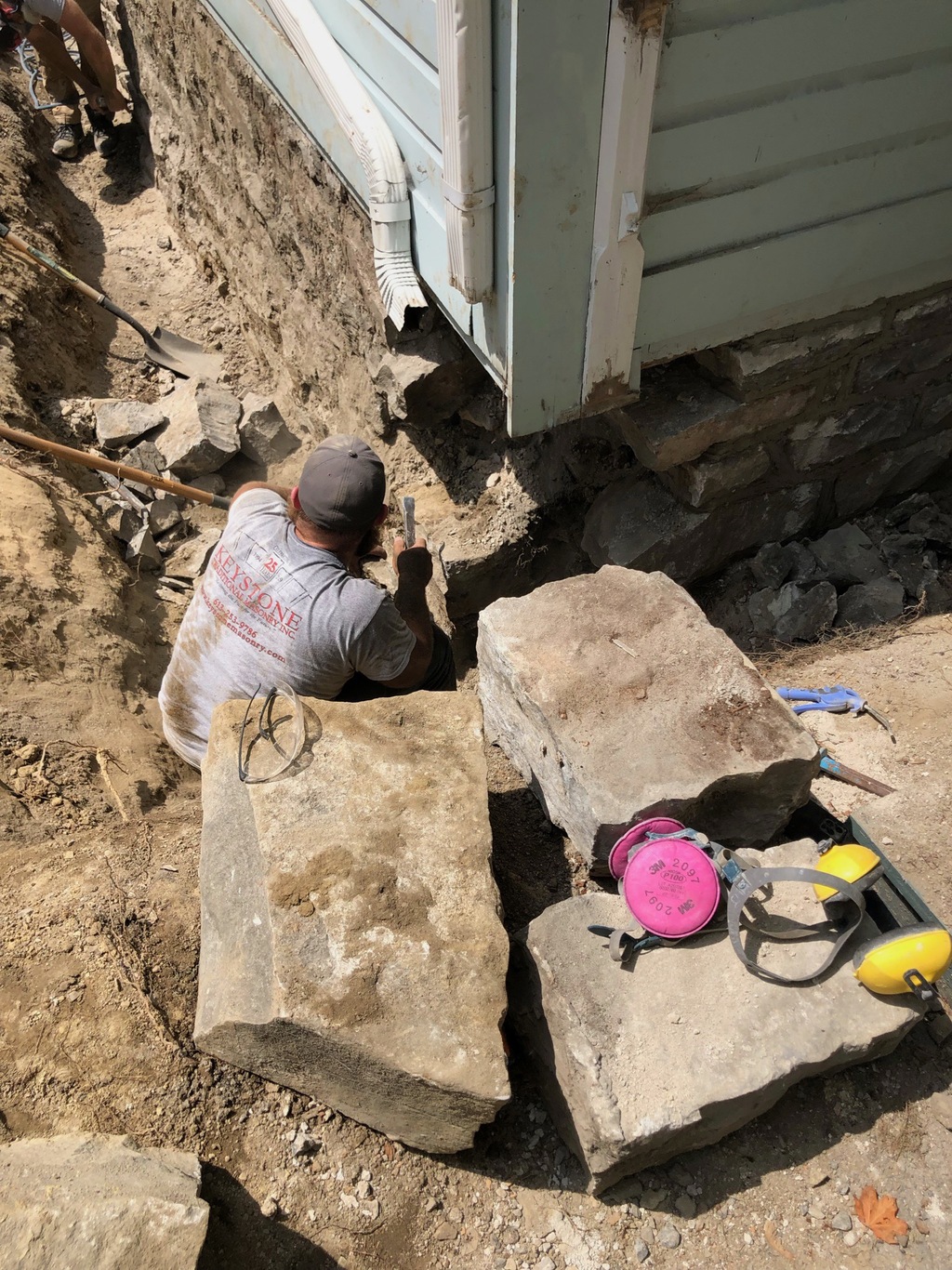
The roofs were replaced with western red-cedar shingles, the stone foundation rebuilt, and the front porch — with its pierced balustrade and chamfered posts — reconstructed in heritage pine. The front door and original windows were restored, while six new wood replicas replaced later PVC units, reinstating the façade’s 19th-century rhythm.
The clapboard siding was repaired and repainted in a heritage palette of sage-green walls, cream trim, and blue-green doors and windows. Modern fencing gave way to a Gothic picket design, and the asphalt paving was replaced with permeable cobblestone, softening the approach and allowing the ground to breathe.
Inside, period mouldings were remade from one original sample found, the staircase returned to its historic form, and the horizontal pine boards behind the walls were preserved and re-installed during insulation work.
The grounds were then re-landscaped with over one hundred native trees and shrubs, reconnecting the house to its natural setting and restoring its 19th-century garden scale.
Beneath layers of paint, drywall, and unsympathetic alterations, the house’s original soul began to re-emerge.
Every detail — from turned porch posts to hand-mixed lime mortar — was restored with respect for the past and reimagined for longevity.
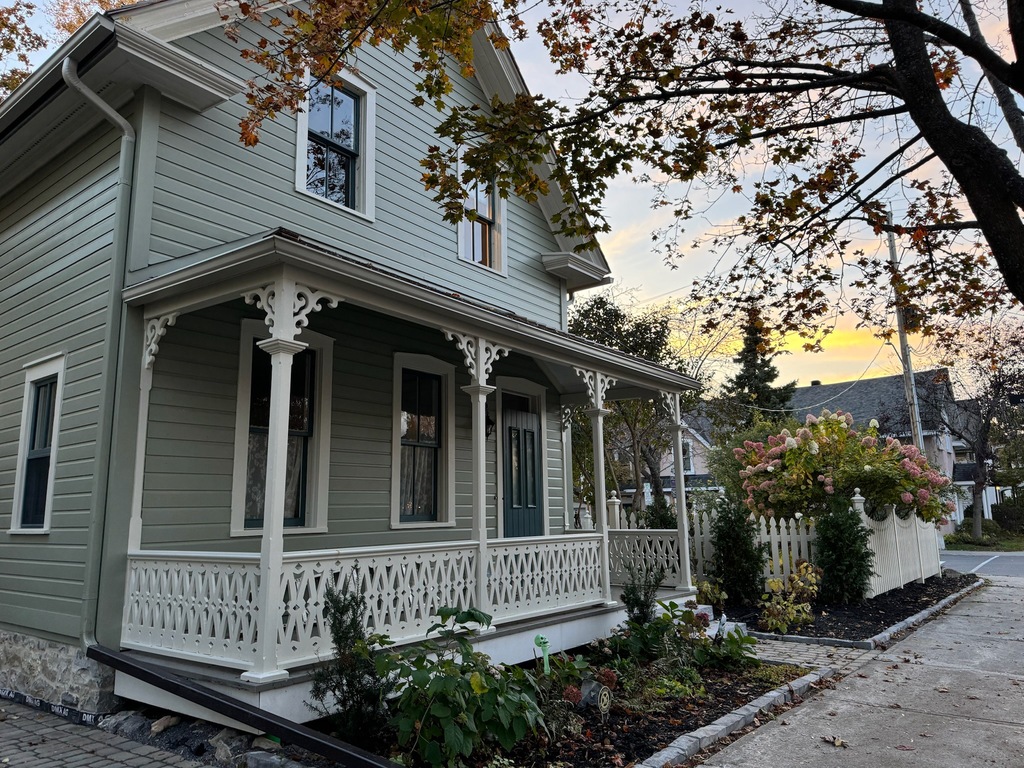
Today, the Tubman House stands once again as a testament to New Edinburgh’s 19th-century craftsmanship and to the enduring value of thoughtful restoration.
The project reflects a belief that historic houses can be both deeply contemporary in comfort and faithful to their original character — offering renewed life while honouring the past.
This restoration received the City of Ottawa 2025 Award of Excellence in Restoration, recognizing the dedication and care that guided every phase of the project.
This restoration drew upon the skill and expertise of:
Remember Me Roofing | Keystone Traditional Masonry | John G. Cooke & Associates | James J. Maddigan
| Heritage Carpentry & Joinery Company | The Wood Source |Theo Stoppels Design | Aaron Brown Construction | Cloud 9 Color | Lanark Cedar | Maurice Yelle | Lashley + Associates | O’Reilly Brothers
Questions or reflections about the house, its history, or the restoration are always welcome.
Follow the ongoing restoration notes and reflections on Substack →
The Tubman House is part of Martin & Sons — a personal chronicle of restoration and craft, celebrating the quiet endurance of heritage architecture and the hands that preserve it.